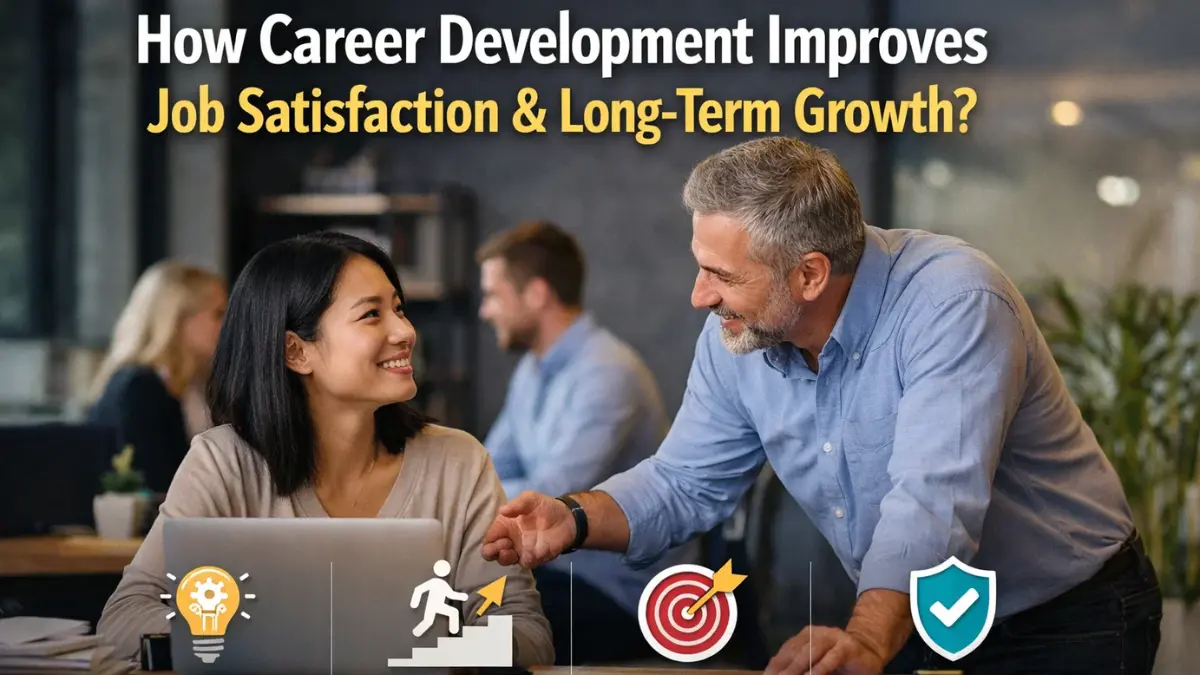
Career development plays a powerful role in shaping how people feel about their jobs and where their professional lives are headed. When employees see clear opportunities to grow, learn, and advance, they are far more likely to feel motivated, valued, and satisfied at work. Career development is not just about promotions; it is about continuous improvement, skill enhancement, and purposeful progress that benefits both individuals and organizations.
Understanding how career development influences job satisfaction and growth can help professionals take control of their careers with confidence.
Building a Sense of Purpose at Work
Career development helps employees connect their daily tasks to long-term goals. When people understand how their role fits into a bigger picture, work feels more meaningful. This sense of purpose increases engagement and reduces feelings of stagnation.
Employees who actively develop their careers often feel more confident in their abilities, which directly improves job satisfaction and workplace morale.
Enhancing Skills and Professional Confidence
Continuous learning is a core element of career development. Acquiring new skills, certifications, or responsibilities strengthens professional confidence and adaptability. As industries evolve, employees who keep learning remain relevant and valuable.
Improved skills also open doors to better roles, higher responsibilities, and increased earning potential, creating steady career growth.
Improving Motivation and Performance
When employees see growth opportunities, they are naturally more motivated to perform well. Career development encourages goal setting, accountability, and self-improvement, which leads to higher productivity.
Motivated employees are more likely to take initiative, contribute ideas, and commit to organizational success, creating a positive work environment.
Strengthening Job Satisfaction and Retention
A lack of growth opportunities is one of the main reasons employees leave their jobs. Career development reduces this risk by offering a clear path forward. Employees who feel supported in their growth are more loyal and satisfied.
Organizations that invest in employee development often experience lower turnover and stronger team stability.
Supporting Long-Term Career Growth
Career development is essential for long-term success. It helps professionals plan future roles, prepare for leadership positions, and navigate career transitions smoothly. With a clear development path, individuals can adapt to changes and remain competitive in the job market.
This proactive approach ensures both personal fulfillment and sustainable professional growth.
Career Development Benefits at a Glance
| Career Development Area | Impact on Job Satisfaction | Impact on Growth |
|---|---|---|
| Skill development | Increased confidence | Better career opportunities |
| Learning opportunities | Higher engagement | Long-term employability |
| Clear career path | Reduced frustration | Strategic advancement |
| Performance feedback | Sense of recognition | Continuous improvement |
| Professional planning | Job fulfillment | Sustainable growth |
Final Thoughts
Career development is a key driver of job satisfaction and professional growth. By focusing on learning, goal setting, and long-term planning, individuals can build fulfilling careers while staying adaptable in a changing job market. For organizations and employees alike, investing in career development creates a win-win situation that leads to motivation, stability, and lasting success.